

Power, the grid, and your electric bill
Data centers are large electricity consumers. Some proposed projects include their own on-site natural gas power plants, designed to serve the data center loads directly. This raises a specific set of questions about what happens to your electricity bill and to the broader Texas grid.
Two paths
Data centers either connect to ERCOT (the Texas grid) and buy electricity like any large industrial customer, or they build their own “behind-the-meter” generation and produce their own power.
If a project draws from ERCOT
When a large new load connects to ERCOT, it has two effects. First, the wholesale price of electricity rises as more demand competes for the same supply. Second, the costs of building new transmission lines to serve the load are usually spread across all ratepayers under current Texas rules. Both effects show up on residential electricity bills, often months to years after the data center comes online.
If a project is behind-the-meter
A behind-the-meter data center does not draw from ERCOT for its primary load, so the first two effects above are largely avoided. But three secondary effects remain:
- Natural gas demand. A large gas-fired plant consumes very large quantities of natural gas. That demand puts upward pressure on regional gas prices, which raises the cost of gas-fired electricity throughout Texas, which raises bills.
- Backup connections. Even behind-the-meter sites usually have some grid connection for backup or supplemental power, and those connections can require infrastructure paid partly by ratepayers of the local utility supplier.
- Future conversion. A behind-the-meter project can later seek to sell electricity into ERCOT (becoming a “merchant generator”). When that happens, the dynamics revert to the first case. The CBA includes a “behind-the-meter lock-in” with a financial obligation if this conversion occurs, to protect the County’s interests.
In plain language — Project design avoids most of the direct effects on your retail electricity bill — that’s true. But “behind-the-meter” is not the same as “no effect.” Regional gas prices and future conversion are real risks. The CBA is built to address both.
What the CBA does
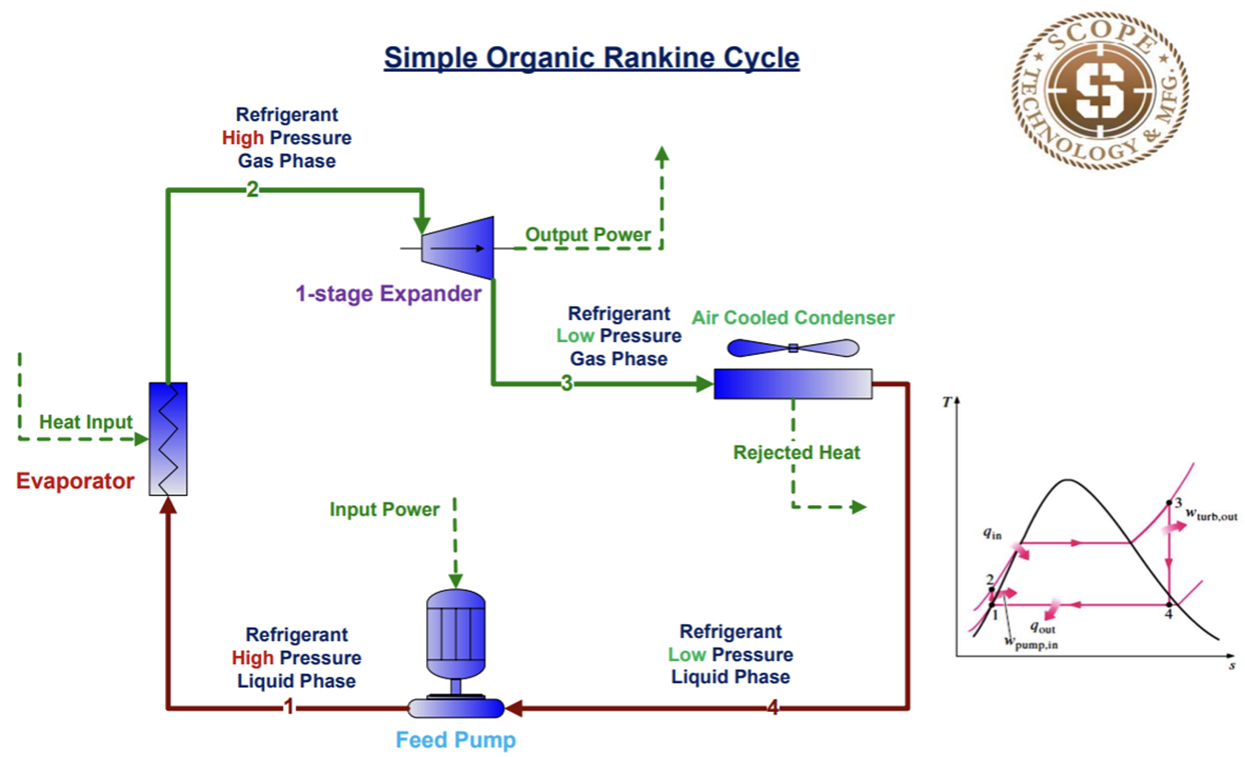
- Requires waste-heat recovery on the on-site gas plant. This captures 8–12% of plant output that would otherwise be vented — reducing the amount of fuel needed to deliver the same data center load.
- Locks in behind-the-meter operation for a defined period.
- Sets a Conversion Payment if the developer later sells power to ERCOT.
- Requires emissions monitoring and air-quality reporting under Article 5.
Next in this series
Noise, light, and the feel of where we live →
County Community Education Series · Prepared by Scope Technology and Manufacturing as advisor to Texas residents of unincorporated counties · May 2026