Geothermal Power Plant
Geothermal Heat Recovery
Geothermal heat recovery involves the process of capturing and utilizing the natural heat emanating from the Earth’s core for power generation and other industrial applications. This sustainable energy source taps into the heat stored beneath the Earth’s surface, harnessing it to produce electricity with minimal environmental impact. Technical experts in the field of geothermal heat recovery continually work to maximize efficiency and explore new methods for harnessing this abundant energy source. To gain a fundamental understanding of geothermal heat recovery and its potential in shaping future energy landscapes, it is crucial to delve into the intricate workings of this renewable energy technology. Embark on your exploration of geothermal heat recovery to uncover its profound significance in the realm of sustainable energy.
Geothermal Power Plants: Harnessing the Earth’s Heat for Sustainable Energy
As we delve into the realm of geothermal heat recovery, it’s essential to explore the mechanisms that enable us to capture this heat for power generation. In this article, we’ll delve into the world of geothermal power plants, discussing the principles, types, and applications of these sustainable energy facilities.
Principles of Geothermal Power Plants
Geothermal power plants are designed to convert the heat from the Earth’s interior into electricity. This process involves harnessing the thermal energy stored in underground reservoirs, typically located near tectonic plate boundaries or volcanic regions. The heat is extracted through a series of wells, which are drilled into the reservoir to access the hot fluids and steam.
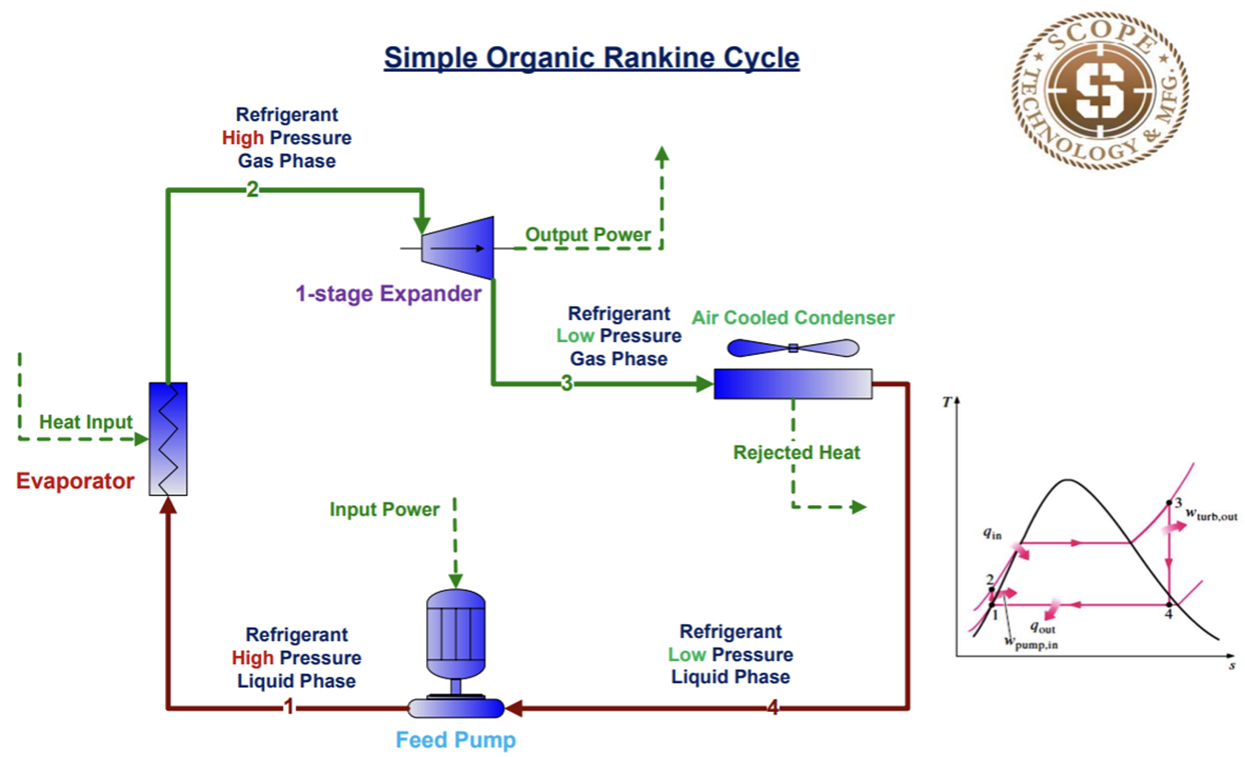
The basic principle of a geothermal power plant is based on the Rankine cycle, a thermodynamic process that converts thermal energy into mechanical energy. The process involves the following stages:
- Heat Extraction: Hot fluids and steam are extracted from the geothermal reservoir through production wells.
- Heat Exchange: The extracted fluids are pumped into a heat exchanger, where the heat is transferred to a working fluid, typically isopentane or a refrigerant.
- Expansion: The heated working fluid expands through a turbine, generating mechanical energy.
- Electricity Generation: The mechanical energy is converted into electrical energy through a generator.
- Cooling: The cooled working fluid is re-circulated through the heat exchanger, and the process repeats.
Types of Geothermal Power Plants
There are several types of geothermal power plants, each with its unique characteristics and applications:
1. Dry Steam Power Plants
These plants use steam directly from the geothermal reservoir to power the turbine. Dry steam power plants are the oldest and most common type, accounting for approximately 25% of global geothermal power generation.
2. Flash Steam Power Plants
Flash steam power plants are the most widely used type, accounting for around 60% of global geothermal power generation. They use high-pressure hot water from the reservoir, which is flashed into steam to power the turbine.
3. Binary Cycle Power Plants
Binary cycle power plants use the heat from the geothermal fluid to vaporize a secondary working fluid, which then powers the turbine. This type of plant is ideal for lower-temperature resources and can operate at temperatures as low as 100°C (212°F).
4. Hybrid Power Plants
Hybrid power plants combine different types of geothermal power generation, such as dry steam and flash steam, to optimize efficiency and increase power output.
Applications and Advantages
Geothermal power plants offer several advantages, including:
- Renewable Energy Source: Geothermal energy is a renewable and sustainable resource, reducing dependence on fossil fuels and mitigating climate change.
- Low Emissions: Geothermal power plants have minimal environmental impact, with near-zero greenhouse gas emissions and minimal water usage.
- Reliability: Geothermal power plants can operate at a high capacity factor, providing baseload power and stabilizing the grid.
- Flexibility: Geothermal power plants can be designed to provide both electricity and heat, making them suitable for various applications, such as industrial processes, space heating, and agriculture.
Case Studies
Several countries have successfully harnessed geothermal energy for power generation. For example:
- Iceland: Known for its abundant geothermal resources, Iceland has been a pioneer in geothermal power generation, with over 25% of its electricity coming from geothermal sources.
- California, USA: The Geysers geothermal field in California is one of the largest geothermal power-producing regions in the world, with an installed capacity of over 2,000 MW.
As the world continues to transition towards a low-carbon economy, geothermal power plants will play an increasingly important role in the global energy mix. Advancements in exploration and drilling technologies, as well as improvements in plant efficiency, will unlock new geothermal resources and increase the adoption of this clean energy source.
Connection
As we explore the realm of geothermal heat recovery, it’s essential to understand the role of geothermal power plants in harnessing this heat for sustainable energy. Our journey so far has taken us through the basics of geothermal energy and heat extraction techniques. In the next article, we’ll delve into the world of geothermal reservoirs, discussing the characteristics, exploration, and management of these complex systems.
Related Topics:
- Geothermal Heat Extraction Techniques: The methods used to extract heat from the Earth’s interior, including open-loop and closed-loop systems.
- Geothermal Reservoirs: The characteristics, exploration, and management of geothermal reservoirs, the crucial component of geothermal power generation.
By understanding the principles and applications of geothermal power plants, we can better appreciate the potential of geothermal energy in our transition towards a low-carbon future. As we continue to explore the world of geothermal heat recovery, we’ll uncover the intricacies of this complex and fascinating field.
Geothermal Heat Recovery
Geothermal heat recovery involves the process of capturing and utilizing the natural heat emanating from the Earth’s core for power generation and other industrial applications. This sustainable energy source taps into the heat stored beneath the Earth’s surface, harnessing it to produce electricity with minimal environmental impact. Technical experts in the field of geothermal heat recovery continually work to maximize efficiency and explore new methods for harnessing this abundant energy source. To gain a fundamental understanding of geothermal heat recovery and its potential in shaping future energy landscapes, it is crucial to delve into the intricate workings of this renewable energy technology. Embark on your exploration of geothermal heat recovery to uncover its profound significance in the realm of sustainable energy.
Geothermal Reservoirs: The Heart of Geothermal Energy Generation
As we delve deeper into the realm of geothermal heat recovery, it is essential to understand the fundamental component that makes it all possible: geothermal reservoirs. In this article, we will explore the intricacies of geothermal reservoirs, their characteristics, and the critical role they play in harnessing geothermal energy for power generation.
What are Geothermal Reservoirs?
Geothermal reservoirs are underground formations that contain hot water or steam, which can be utilized to generate electricity. These reservoirs are typically located several kilometers beneath the Earth’s surface, where the temperature and pressure conditions are conducive to the formation of hot fluids. The heat from these fluids can be extracted and converted into electricity using various technologies, making geothermal reservoirs a vital component of geothermal power plants.
Characteristics of Geothermal Reservoirs
Geothermal reservoirs exhibit unique characteristics that distinguish them from other types of underground formations. Some of the key characteristics of geothermal reservoirs include:
Temperature
Geothermal reservoirs are characterized by high temperatures, typically ranging from 150°C to 300°C. These elevated temperatures are a result of the Earth’s natural heat flow, which increases with depth.
Porosity and Permeability
Geothermal reservoirs must have sufficient porosity and permeability to allow for the flow of hot fluids. Porosity refers to the percentage of void space within the rock, while permeability refers to the ability of fluids to flow through the rock.
Fluid Chemistry
The chemistry of the fluids within geothermal reservoirs plays a crucial role in their performance. The fluids can be either acidic or alkaline, and their composition can affect the efficiency of the power generation process.
Types of Geothermal Reservoirs
There are several types of geothermal reservoirs, each with its unique characteristics and advantages. Some of the most common types of geothermal reservoirs include:
Hot Water Reservoirs
Hot water reservoirs are the most common type of geothermal reservoir. These reservoirs contain hot water at temperatures ranging from 150°C to 250°C.
Steam Reservoirs
Steam reservoirs contain a mixture of hot water and steam. These reservoirs are typically located at greater depths than hot water reservoirs and have higher temperatures.
Sedimentary Basin Reservoirs
Sedimentary basin reservoirs are formed in sedimentary basins, where hot fluids migrate from deeper formations into the basin.
Exploration and Assessment of Geothermal Reservoirs
The exploration and assessment of geothermal reservoirs involve a combination of geological, geophysical, and geochemical techniques. Some of the key methods used to identify and characterize geothermal reservoirs include:
Seismic Surveys
Seismic surveys involve the use of seismic waves to image the subsurface and identify potential geothermal reservoirs.
Electrical Resistivity Tomography (ERT)
ERT is a geophysical technique that uses electrical resistivity to map the subsurface and identify areas of high resistivity, which can indicate the presence of geothermal fluids.
Geochemical Sampling
Geochemical sampling involves the collection and analysis of rock and fluid samples to determine their chemical composition and potential for geothermal energy generation.
Challenges and Opportunities in Geothermal Reservoir Development
Despite the potential of geothermal reservoirs, their development faces several challenges, including:
High Upfront Costs
The exploration and development of geothermal reservoirs require significant upfront investments, which can be a barrier to entry for many developers.
Technical Challenges
Geothermal reservoirs are complex systems that require sophisticated technologies to extract the heat efficiently.
Environmental Concerns
Geothermal reservoir development can have environmental implications, such as land subsidence and induced seismicity.
However, the opportunities in geothermal reservoir development are vast, with the potential to generate clean, renewable energy and mitigate climate change.
Conclusion
In conclusion, geothermal reservoirs are the heart of geothermal energy generation, providing the heat necessary to power our homes and industries. Understanding the characteristics, types, and challenges of geothermal reservoirs is crucial for their successful development and exploitation. As we move forward in the series, we will explore the various techniques and technologies used in geothermal heat extraction, including geothermal power plants, which will build upon the foundation laid in this article.
Geothermal Energy Basics
As we delve into the realm of geothermal heat recovery, it is essential to establish a solid understanding of the fundamental principles governing geothermal energy. In this article, we will explore the concept of harnessing geothermal heat for power generation, a crucial aspect of the geothermal heat recovery process.
What is Geothermal Energy?
Geothermal energy is the thermal energy generated and stored within the Earth’s crust. This energy is a result of the radioactive decay of isotopes in the Earth’s core, which heats up the surrounding rocks and fluids. The heat is then transferred to the Earth’s surface through various mechanisms, including conduction, convection, and radiation.
Heat Flow and Temperature Gradients
To better comprehend geothermal energy, it is vital to understand the concept of heat flow and temperature gradients. Heat flow refers to the transfer of thermal energy from the Earth’s interior to its surface. This process occurs due to the temperature difference between the Earth’s core and its surface. The temperature gradient, in turn, is the rate of change of temperature with respect to depth. In areas with high temperature gradients, the heat flow is more significant, making them ideal for geothermal energy exploration.
Types of Geothermal Systems
Geothermal systems can be broadly classified into two categories: Convective Systems and Conductive Systems.
Convective Systems
Convective systems are characterized by the circulation of hot fluids through fractures and permeable rocks, resulting in the transfer of heat from the Earth’s interior to the surface. These systems are often associated with volcanic regions, where magma and hot fluids rise to the surface, creating areas of high thermal activity.
Conductive Systems
Conductive systems, on the other hand, rely on the direct transfer of heat through rocks and sediments. These systems are typically found in areas with low permeability, where fluids are unable to circulate freely. Conductive systems are often associated with sedimentary basins, where the thermal energy is trapped within the rocks and sediments.
Geothermal Energy Applications
Geothermal energy has numerous applications, including:
Power Generation
Geothermal power plants harness the thermal energy from the Earth’s interior to generate electricity. This is achieved by pumping hot fluids from underground reservoirs to the surface, where the heat is used to power turbines, producing electricity.
Direct Use
Geothermal energy can be used directly for various applications, such as space heating, greenhouses, and aquaculture. This approach eliminates the need for power conversion, making it a more efficient and cost-effective option.
Enhanced Oil Recovery (EOR)
Geothermal energy can be used to enhance oil recovery by injecting hot fluids into oil reservoirs, increasing the extraction efficiency and reducing the viscosity of the oil.
Challenges and Opportunities
While geothermal energy offers a promising alternative to traditional fossil fuels, it is not without its challenges. Some of the key challenges include:
Exploration and Drilling
Exploration and drilling for geothermal resources can be costly and time-consuming, making it essential to develop more efficient and cost-effective methods.
Reservoir Management
Effective reservoir management is critical to maintaining the longevity of geothermal systems and ensuring optimal energy production.
Public Perception
Raising public awareness and acceptance of geothermal energy is crucial for its widespread adoption.
Despite these challenges, geothermal energy presents a significant opportunity for reducing our reliance on fossil fuels and mitigating climate change.
Conclusion
In conclusion, geothermal energy basics provide a solid foundation for understanding the principles governing geothermal heat recovery. As we progress through the study plan, we will delve deeper into the intricacies of geothermal reservoirs, power plants, and heat extraction techniques. It is essential to recognize the interconnectedness of these topics, as they are all crucial components of the geothermal heat recovery process.
In the next article, we will explore the concept of geothermal reservoirs, examining the characteristics and behavior of these underground systems. We will also discuss the various types of geothermal reservoirs and their implications for power generation and heat extraction.
Related Topics
To further enhance your understanding of geothermal energy, we recommend exploring the following topics:
- Heat transfer mechanisms in geothermal systems
- Geothermal energy policy and regulations
- Environmental impacts of geothermal energy development
By embracing the interconnectedness of these topics, you will gain a deeper understanding of the geothermal heat recovery process and its applications.
Geothermal Heat Recovery: Unlocking the Potential of Earth’s Energy
I was born not knowing and have only had a little time to change that here and there. – Richard Feynman
→
As we delve into the realm of geothermal energy, it becomes increasingly evident that harnessing the Earth’s natural heat can be a game-changer in the pursuit of sustainable power generation. In this article, we will explore the concept of geothermal heat recovery, a vital aspect of leveraging geothermal energy for electricity production. Building upon the foundational knowledge of geothermal energy basics, we will dive deeper into the mechanics of capturing and converting geothermal heat into usable power.
The Principle of Geothermal Heat Recovery
Geothermal heat recovery is the process of extracting heat from the Earth’s subsurface to generate electricity. This concept relies on the fact that the Earth’s crust is constantly radiating heat, which can be tapped into and converted into a usable form of energy. The heat is typically extracted from hot water or steam reservoirs, which are located beneath the Earth’s surface.
𝑄=𝑚×𝑐𝑝×(𝑇𝑓−𝑇𝑖)Q=m×cp×(Tf−Ti)
where:
- Q: amount of heat energy transferred
- m: mass of the fluid (water or steam)
- c_p: specific heat capacity of the fluid
- T_f: final temperature of the fluid
- T_i: initial temperature of the fluid
This fundamental principle is the driving force behind geothermal heat recovery, enabling the conversion of the Earth’s thermal energy into electrical power.
Geothermal Reservoirs: The Heart of Heat Recovery
Geothermal reservoirs are the primary sources of heat for geothermal power plants. These reservoirs are typically located in areas with significant tectonic activity, where hot water or steam is trapped beneath the Earth’s surface. The temperature of these reservoirs can range from 150°C to 300°C, making them ideal for heat recovery.
There are two primary types of geothermal reservoirs:
- Convective Reservoirs: These reservoirs are characterized by the circulation of hot water or steam through fractures and porous rock formations. Convective reservoirs are often found in areas with high volcanic activity.
- Conductive Reservoirs: These reservoirs rely on heat conduction through solid rock formations. Conductive reservoirs are typically found in areas with low volcanic activity.
Understanding the characteristics of geothermal reservoirs is crucial in determining the feasibility of geothermal heat recovery projects.
Geothermal Heat Extraction Techniques
Several techniques are employed to extract heat from geothermal reservoirs. The choice of technique depends on the type of reservoir, temperature, and desired power output.
- Flash Steam Plants: These plants use high-pressure hot water from the reservoir to produce steam, which drives a turbine to generate electricity.
- Binary Cycle Plants: These plants utilize the heat from the reservoir to produce a secondary fluid with a lower boiling point, which then drives a turbine to generate electricity.
- Enhanced Geothermal Systems (EGS): EGS involves creating artificial reservoirs by injecting water into hot rock formations, allowing for the extraction of heat from areas with limited natural reservoirs.
Each technique has its advantages and limitations, and the selection of the appropriate method is critical in ensuring the efficiency and effectiveness of geothermal heat recovery projects.
Case Studies: Successful Geothermal Heat Recovery Projects
Several successful geothermal heat recovery projects around the world have demonstrated the potential of this technology.
- The Geysers Geothermal Field, California, USA: This geothermal field has been in operation since the 1960s, generating over 2,000 MW of electricity from 22 power plants.
- Larderello Geothermal Field, Italy: This field has been in operation since the early 20th century, producing over 1,000 MW of electricity from 34 power plants.
This article series will highlight the feasibility and potential of geothermal heat recovery as a reliable source of renewable energy.
Conclusion and Future Directions
Geothermal heat recovery is a vital component of the geothermal energy landscape, offering a clean and sustainable source of power generation. As we continue to explore and develop new geothermal reservoirs, the potential for heat recovery will only continue to grow. In the next article, we will delve into the specifics of geothermal power plants, examining the design and operation of these facilities.
Recommended Reading:
- Geothermal Reservoirs: Explore the intricacies of geothermal reservoirs, including their formation, characteristics, and exploration techniques.
- Geothermal Power Plants: Learn about the design, operation, and maintenance of geothermal power plants, including the different types of plants and their applications.
By embracing the concept of geothermal heat recovery, we can unlock the full potential of the Earth’s energy, paving the way for a sustainable and renewable energy future.