A Note on Industrial Waste Heat Recovery Potential
The bars show remaining technical potential (MWₑ) by industry—that’s the amount of electricity that could be made from existing waste-heat streams with known technologies, nationwide. Totals (rounded) for the top sectors:
Summed across manufacturing, this top-down assessment finds ~14.6 GW of waste heat power (WHP) potential (≈14,594 MW)—gigawatt-scale power currently lost as heat.
Context: The Department of Energy estimates that ~20–50% of industrial process energy is lost as waste heat, so the charted MW values represent the slice of that loss that could be converted to electricity with today’s technology.
Universal Efficiency Improvement Modules for O.R.C. Systems (2026)
Organic Rankine Cycle (O.R.C.) systems are gaining traction for converting low-grade heat into electricity. As of January 30, 2026, several commercially available universal efficiency improvement modules have emerged, designed to enhance operating efficiencies across a wide range of O.R.C. units.
What are O.R.C. Systems?
O.R.C. systems use organic fluids to convert thermal energy into mechanical energy and then into electricity. They are particularly beneficial for industries that produce waste heat, such as:
Geothermal energy
Waste heat recovery
Biomass processing
Benefits of Universal Efficiency Improvement Modules
These modules focus on enhancing the overall performance of O.R.C. systems. Here’s how they work:
Improved Heat Exchanger Performance
Increased Heat Transfer: Modules utilize advanced materials that boost heat transfer rates. This enhances energy capture from available heat sources.
Reduced Pressure Drops: Lower resistance leads to more efficient flow and minimized energy loss.
Enhanced Working Fluids
Optimal Fluid Selection: The modules often come with proprietary fluids that have better thermodynamic properties.
Lower Viscosity: This allows faster circulation, improving the overall efficiency of the O.R.C.
Advanced Control Systems
Real-time Monitoring: Smart algorithms optimize operation based on real-time data, maximizing efficiency.
Predictive Maintenance: By analyzing performance data, these modules help in anticipating issues before they escalate.
Key Features of the Modules
Universal Compatibility: Designed to work seamlessly with various O.R.C. systems from different manufacturers.
Ease of Installation: Most modules can be easily retrofitted into existing systems, minimizing downtime.
Customization Options: Users can tailor certain features according to their specific operational needs.
Statistics on Efficiency Improvements
Recent studies indicate that incorporating efficiency improvement modules can lead to up to 20% enhancements in overall system efficiency. This can result in significant cost savings and reduced environmental impact.
Conclusion
The introduction of universal efficiency improvement modules into the O.R.C. market represents a significant leap towards enhanced performance. By optimizing heat transfer, fluid dynamics, and system control, these innovations are set to revolutionize the efficiency of energy recovery systems, ultimately aiding in global sustainability efforts.
For up-to-date information on the latest O.R.C. technologies, consider checking resources like U.S. Department of Energy or industry publications.
Thermal Management Strategies for O.R.C. Cooling: Optimizing Efficiency in Varied Ambient Temperatures
In the realm of Organic Rankine Cycle (O.R.C.) systems, the efficiency and performance of the cycle are intricately linked to the ambient temperature in which the system operates. As we delve into the realm of thermal management strategies for O.R.C. cooling, we are met with a crucial juncture where the impact of ambient temperature on the cooling cycle and overall efficiency of an O.R.C. unit comes to the forefront. This exploration is not just a theoretical exercise but a practical necessity for professionals like you, deeply involved in the manufacturing and prototyping of O.R.C. units for diverse applications ranging from waste heat recovery to geothermal energy, microgrid implementations, combined heat and power (CHP) setups, and oil and gas operations.
Understanding the Influence of Ambient Temperature on O.R.C. Cooling Efficiency
Impact of Ambient Temperature Differentials on O.R.C. Efficiency
The efficiency of an O.R.C. cycle is significantly influenced by the ambient temperature differentials it encounters. Higher temperature differentials can enhance the cycle’s efficiency by allowing for increased heat transfer rates and improved power generation. However, high temperatures can also lead to operational challenges such as increased thermal stresses on system components and potential performance degradation over time. On the other hand, lower temperature differentials may reduce the efficiency of the cycle, affecting power output and overall system performance.
Effects on Output: Minimizing Negative Impacts and Amplifying Positive Impacts
Minimizing Negative Impacts
Heat Exchanger Design: Optimal heat exchanger design is crucial to minimize the negative impacts of ambient temperature variations. Efficient heat exchangers can help maintain thermal stability within the system, ensuring consistent performance regardless of external temperature fluctuations.
Cooling System Optimization: Implementing advanced cooling systems can mitigate the adverse effects of high ambient temperatures on O.R.C. units. By regulating the temperature within the system, cooling systems can safeguard components from overheating and prevent performance degradation.
Insulation and Enclosure Strategies: Utilizing effective insulation and enclosure strategies can protect the O.R.C. unit from external temperature influences, maintaining a stable operating environment and preventing energy losses due to ambient heat exchange.
Amplifying Positive Impacts
Thermal Energy Storage: Integrating thermal energy storage systems can capitalize on favorable ambient temperatures by storing excess heat for later use. This approach can enhance the overall efficiency of the O.R.C. cycle by optimizing heat utilization and power generation during peak operating conditions.
Adaptive Control Systems: Implementing adaptive control systems that can dynamically adjust operating parameters based on ambient temperature fluctuations can maximize the positive impacts of temperature differentials. By optimizing system settings in real-time, adaptive controls ensure efficient performance under varying environmental conditions.
Bridging to Future Topics: Heat Source Selection in O.R.C. Systems
As we navigate the intricate landscape of thermal management strategies for O.R.C. cooling, it becomes evident that the choice of heat source plays a pivotal role in determining the overall efficiency and performance of the system. In the upcoming exploration on “Heat Source Selection in O.R.C. Systems,” we will delve into the diverse range of heat sources available for O.R.C. units, ranging from waste heat streams to geothermal reservoirs, and analyze how these sources impact system efficiency and sustainability.
Conclusion
In conclusion, the optimization of thermal management strategies for O.R.C. cooling is a multifaceted endeavor that demands a nuanced understanding of ambient temperature dynamics and their influence on system efficiency. By strategically minimizing negative impacts and amplifying positive effects through innovative design approaches and control systems, engineers and technical professionals can elevate the performance of O.R.C. units across a spectrum of operational environments. This journey into the realm of thermal management not only enhances our comprehension of O.R.C. systems but also sets the stage for further exploration into critical topics shaping the future of sustainable power generation and energy utilization.
Impact of Ambient Temperature on Heat Source Selection in Organic Rankine Cycle (O.R.C.) Systems
In the realm of power generation through waste heat recovery, geothermal, microgrids, combined heat and power (CHP), and oil and gas applications, the selection of a suitable heat source is paramount to the efficiency and overall performance of an Organic Rankine Cycle (O.R.C.) system. As we delve into the intricate world of O.R.C. systems, it becomes evident that the ambient temperature plays a pivotal role in determining the cooling cycle and efficiency of these units. Understanding how ambient temperature influences heat source selection, output impacts, and strategies to mitigate negative effects while enhancing positive outcomes is crucial for engineers, technical professionals, and procurement audiences involved in manufacturing and prototyping O.R.C. units.
The Interplay Between Ambient Temperature and O.R.C. Systems
Impact of Ambient Temperature on Cooling Cycle Efficiency
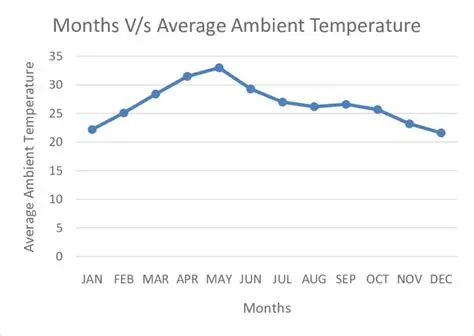
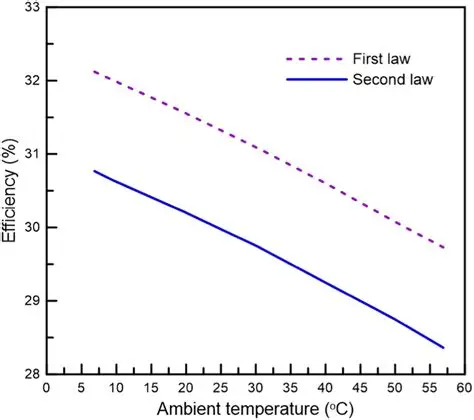
The efficiency of an O.R.C. system is intricately linked to the ambient temperature in which it operates. Higher ambient temperatures tend to reduce the temperature differential between the heat source and the cooling medium, thereby affecting the cycle efficiency. This reduction in temperature differential can lead to decreased power output and efficiency of the O.R.C. system. Conversely, lower ambient temperatures can enhance the temperature differential, potentially boosting the system’s efficiency.
Various Impacts on Output
Power Output: High ambient temperatures can negatively impact the power output of an O.R.C. system by reducing the temperature gradient available for power generation. This can result in lower electricity generation capacity and efficiency.
System Performance: Ambient temperature variations can influence the overall performance of the O.R.C. system, affecting parameters such as the heat transfer rate, fluid properties, and compressor efficiency. These changes can directly impact the system’s reliability and operational stability.
Component Lifespan: Extreme ambient temperatures can accelerate the degradation of system components, leading to a shorter lifespan and increased maintenance requirements. Proper heat source selection is crucial to mitigate these effects and ensure the longevity of the O.R.C. unit.
Minimizing Negative Impacts and Amplifying Positive Impacts
Heat Source Selection: Choosing the right heat source is critical in mitigating the negative impacts of ambient temperature on O.R.C. systems. Opting for a heat source with a consistent temperature profile, such as geothermal sources or waste heat from industrial processes, can help stabilize the system performance across varying ambient conditions.
Thermal Management Strategies: Implementing robust thermal management strategies, such as heat exchangers, thermal storage systems, and insulation techniques, can minimize the influence of ambient temperature fluctuations on the O.R.C. cycle. These strategies help maintain optimal operating conditions and enhance the system’s overall efficiency.
Advanced Control Systems: Incorporating advanced control systems that dynamically adjust the operating parameters based on ambient temperature variations can optimize the O.R.C. system’s performance. Adaptive controls can ensure efficient operation under varying environmental conditions, maximizing output and efficiency.
Bridging to Future Topics
Understanding the nuances of heat source selection in O.R.C. systems lays the foundation for exploring advanced topics in thermal management strategies for cooling and enhancing O.R.C. performance in diverse environmental conditions. By comprehensively addressing the impact of ambient temperature on O.R.C. efficiency, we pave the way for a deeper dive into optimizing system performance and energy generation across different applications.
In our upcoming discussions, we will delve into thermal management strategies tailored to O.R.C. cooling, focusing on innovative approaches to enhance system efficiency and reliability. By connecting these topics seamlessly, we aim to equip engineers and technical professionals with the knowledge and insights necessary to excel in the realm of O.R.C. system design and implementation.
Through a holistic exploration of heat source selection, system performance impacts, and mitigation strategies, we empower stakeholders in the O.R.C. industry to make informed decisions that optimize energy generation, reduce operational costs, and contribute to sustainable power solutions.
In conclusion, the intricate interplay between ambient temperature and heat source selection in O.R.C. systems underscores the critical importance of understanding these dynamics for achieving optimal performance and efficiency. By delving into the depths of this subject, we pave the way for a more profound exploration of O.R.C. technology and its applications across diverse energy sectors.
As we continue our journey through the realm of O.R.C. systems, let us unravel the complexities, embrace the challenges, and harness the opportunities that lie ahead, driving innovation and sustainability in power generation.
Scope T&M WHRU’s support Alaska Operations with ICE Thermal Harvesting and UniSea. Launch Alaska Seafood Industry’s First Waste Heat to Power System
Modular energy technology brings clean power to Dutch Harbor– offering a scalable model for rural Alaska.
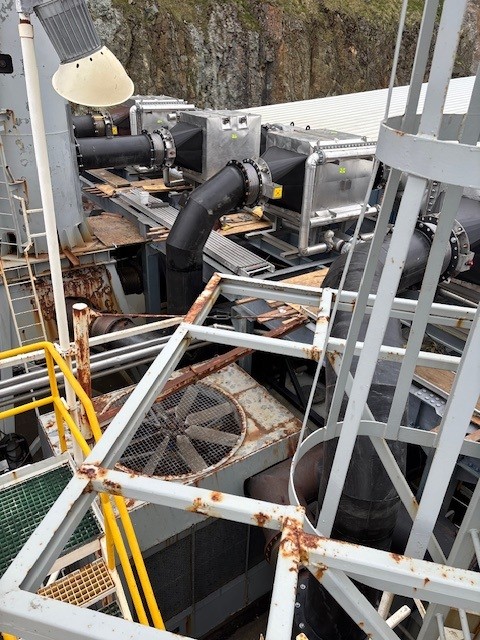
DUTCH HARBOR, Alaska, Sept. 4, 2025 /PRNewswire/ — ICE Thermal Harvesting, LLC (“ICE”) and UniSea, Inc. (“UniSea”) have successfully completed the first deployment of a Waste Heat to Power (WHP) system in Alaska’s seafood industry. Installed at UniSea’s Dutch Harbor processing facility, the system captures waste heat from existing generators and converts it into clean, emissions-free electricity—marking a milestone for sustainable energy use in Alaska’s seafood sector.
Engineered to operate in the harsh and remote conditions of the Aleutian Islands, the modular WHP system transforms excess thermal energy from UniSea’s powerhouse into usable power. This reduces diesel consumption, cuts operational costs, and lowers greenhouse gas emissions all while reinforcing energy resilience in one of the most challenging working environments in North America.
“This project demonstrates how innovation and practicality can come together to create sustainable solutions even in the most challenging locations,” said Rob Bordenave, Vice President at ICE, “It not only benefits UniSea by lowering fuel costs today, but also positions them for long-term resilience against volatile energy prices.”
The custom-engineered system is designed to withstand the unique environmental challenges of Dutch Harbor, including high winds, seismic events and frigid temperatures. The system was integrated with UniSea’s existing powerhouse, requiring no overhaul to current infrastructure and ensuring minimal disruption during installation and operation.
During the initial three-week start-up phase of the project the ICE system generated 67MWh of electricity, representing 5000 gallons of diesel saved. As commissioning is completed and the project enters long-term operations, the system will generate 300kW and replace ~3500 gallons of diesel usage each week during the processing seasons.
Dustin Hamilton, UniSea’s Chief Operating Officer, said “ICE Thermal’s team members are true professionals in the waste-heat capture space. UniSea is proud to partner with them. Deploying the WHP system furthers UniSea’s sustainability efforts by reducing our use of fossil fuels and is a significant step in achieving our decarbonization initiatives. This is a great moment for UniSea.”
The system’s modular design makes it scalable and adaptable to facilities throughout Alaska, particularly in rural and off-grid communities where diesel remains the primary energy source. The success of this project illustrates a clear, economically viable pathway toward decarbonization and energy independence for industrial operators, utilities, and remote communities alike.
About Ice Thermal Harvesting
ICE generates on-site power for clients by utilizing industrial waste heat as fuel. ICE offers zero-money down, turn-key solutions that result in energy cost savings, reduced emissions, lower demand charges, and higher operational efficiencies.
About UniSea
UniSea is a leading seafood processing company headquartered in Dutch Harbor, Alaska. With over 50 years of operation, UniSea produces high-quality Alaska seafood products while championing sustainability, innovation, and operational excellence.
Enhancing O.R.C. Performance in Varying Environmental Conditions: A Comprehensive Analysis
In the realm of power generation and waste heat recovery, the efficiency of an Organic Rankine Cycle (O.R.C.) system is profoundly influenced by the ambient temperature conditions in which it operates. Understanding how ambient temperatures impact the cooling cycle and overall efficiency of an O.R.C. unit is paramount for engineers, technical professionals, and procurement audiences involved in the manufacturing and prototyping of O.R.C. units for diverse applications like waste heat recovery, geothermal energy, microgrids, combined heat and power (CHP) systems, as well as oil and gas processes.
The Crucial Role of Ambient Temperature in O.R.C. Performance
Impact on Cooling Cycle Efficiency
The efficiency of an O.R.C. system is intricately linked to the ambient temperature surrounding the system. Higher ambient temperatures can lead to reduced efficiency due to the decreased temperature differential between the heat source and the environment, thereby limiting the potential for generating power effectively. On the other hand, lower ambient temperatures can enhance efficiency by providing a more substantial temperature gradient for the O.R.C. cycle to leverage.
Influence on Output and Performance
Ambient temperature variations directly impact the output and performance of an O.R.C. unit. High ambient temperatures can lower the power output and efficiency of the system, potentially leading to operational challenges and decreased overall performance. In contrast, cooler ambient temperatures can optimize the O.R.C. performance, resulting in higher power generation and improved efficiency.
Strategies to Mitigate Negative Impacts and Enhance Positive Effects
Minimizing Negative Impacts
Enhanced Insulation: Implementing superior insulation materials and techniques can help minimize the impact of high ambient temperatures on the O.R.C. system. By reducing heat exchange with the surroundings, the system can maintain higher efficiency levels.
Optimized Heat Exchangers: Designing and optimizing heat exchangers to withstand varying ambient temperatures is crucial. Proper heat exchanger selection and sizing can mitigate the negative effects of temperature differentials on the system’s performance.
Thermal Storage Solutions: Introducing thermal storage systems can buffer the impact of ambient temperature fluctuations on the O.R.C. unit. By storing excess heat during peak operating conditions, the system can ensure consistent performance even in challenging environments.
Amplifying Positive Impacts
Utilizing Geothermal Resources: Leveraging geothermal energy sources can provide a consistent and sustainable heat input for the O.R.C. system. Geothermal energy offers stable temperatures regardless of external environmental conditions, enhancing system efficiency.
Adaptive Control Systems: Implementing smart and adaptive control systems can optimize the O.R.C. unit’s operation based on real-time ambient temperature data. This dynamic control mechanism can adjust system parameters to maximize performance under varying conditions.
Hybridization with Solar Power: Integrating solar power generation alongside the O.R.C. system can diversify the heat sources and improve overall efficiency. Solar energy can supplement the O.R.C. cycle during periods of low ambient temperatures, ensuring continuous power generation.
Bridging to Future Topics and Further Exploration
Understanding the intricate relationship between ambient temperatures and O.R.C. performance sets the stage for exploring the impact of temperature differentials on efficiency and the selection of appropriate heat sources for O.R.C. systems. Future articles in this series will delve into the nuances of heat source selection, thermal management strategies for cooling in O.R.C. units, and the broader implications of temperature differentials on system efficiency.
By delving into these interconnected topics, engineers, technical professionals, and procurement audiences can gain a holistic understanding of optimizing O.R.C. performance in varying environmental conditions, driving innovation and efficiency in the realm of power generation and waste heat recovery.
In conclusion, enhancing the performance of O.R.C. systems in diverse environmental conditions requires a nuanced approach that combines innovative strategies, adaptive technologies, and a deep understanding of the system dynamics. By proactively addressing the impact of ambient temperatures and implementing tailored solutions, O.R.C. units can achieve peak efficiency and productivity across a range of applications, from waste heat recovery to geothermal energy generation.
Impact of Temperature Differentials on Organic Rankine Cycle (O.R.C.) Efficiency
In the realm of power generation from waste heat recovery, geothermal sources, microgrids, combined heat and power (CHP) systems, and oil and gas applications, the efficiency of the Organic Rankine Cycle (O.R.C.) plays a pivotal role. Understanding the impact of temperature differentials on the cooling cycle and overall efficiency of an O.R.C. unit is essential for optimizing performance and maximizing energy output. This article delves deep into the intricate relationship between ambient temperatures and O.R.C. efficiency, exploring the various influences on output and strategies to mitigate negative impacts while enhancing positive outcomes.
The Significance of Ambient Temperature Differentials
The efficiency of an O.R.C. system is intricately linked to the temperature differentials experienced during its operation. Ambient temperatures directly affect the heat exchange processes within the system, influencing the conversion of heat into usable energy. As temperatures fluctuate, the performance of the O.R.C. unit can vary significantly, impacting both the power output and the overall effectiveness of the cycle.
Impact on Output and Efficiency
1. Output Variations:
Ambient temperature differentials can lead to fluctuations in the power output of an O.R.C. system. Higher temperature differentials generally result in increased efficiency and greater energy production. Conversely, lower differentials can lead to decreased output and reduced overall performance. Understanding these variations is crucial for predicting and optimizing system performance.
2. Efficiency Factors:
The efficiency of an O.R.C. cycle is influenced by several factors related to ambient temperatures:
Heat Transfer Rates: Higher temperature differentials typically enhance heat transfer rates, improving the efficiency of the cycle.
Fluid Properties: The choice of working fluid in the O.R.C. system can impact its efficiency at different temperature differentials.
System Design: The design of the heat exchangers, turbines, and condensers must be optimized to operate effectively across varying ambient temperatures.
Minimizing Negative Impacts and Amplifying Positive Effects
To mitigate the negative impacts of temperature differentials and amplify the positive effects on O.R.C. efficiency, several strategies can be employed:
1. Thermal Storage Systems:
Integrating thermal storage systems can help buffer temperature fluctuations, ensuring more stable operating conditions for the O.R.C. unit. By storing excess heat during peak periods and releasing it when ambient temperatures drop, thermal storage can optimize system performance.
2. Advanced Heat Exchanger Designs:
Utilizing advanced heat exchanger designs that are capable of adapting to changing temperature differentials can enhance heat transfer efficiency and overall cycle performance. Plate heat exchangers, finned tubes, and microchannel heat exchangers are examples of innovative designs that improve heat exchange processes.
3. Optimal Working Fluid Selection:
Choosing the right working fluid for the O.R.C. system based on the temperature differentials encountered is crucial. Different fluids have varying thermodynamic properties that can impact the cycle efficiency at different temperature ranges. Conducting thorough fluid analysis and selection is vital for maximizing system performance.
Conclusion
In conclusion, the impact of temperature differentials on O.R.C. efficiency is a critical consideration for engineers, technical professionals, and procurement audiences involved in power generation applications. By understanding the nuances of how ambient temperatures influence the cooling cycle and energy output of an O.R.C. unit, stakeholders can implement tailored strategies to minimize negative impacts and amplify positive effects. Through advanced thermal management, optimal fluid selection, and innovative heat exchanger designs, the efficiency of O.R.C. systems can be optimized across varying environmental conditions, ensuring sustainable and reliable energy generation.
This article serves as a comprehensive exploration of the interplay between ambient temperatures and O.R.C. efficiency, empowering readers to delve deeper into the intricacies of temperature differentials and their implications on power generation systems. In the next segment of this series, we will delve into the crucial aspect of heat source selection in O.R.C. systems, further expanding on the optimization strategies for enhancing performance in diverse operating environments.
Thermal Calculations for Heat Exchangers
As we delve into the intricacies of heat exchanger design, it is essential to establish a solid understanding of thermal calculations. These calculations form the backbone of heat exchanger design, enabling engineers to optimize performance, ensure efficient heat transfer, and minimize costs. In this article, we will explore the fundamental principles and methods used in thermal calculations for heat exchangers, with a focus on their application in waste heat recovery engine exhaust heat exchangers.
Importance of Thermal Calculations
Thermal calculations play a crucial role in the design of heat exchangers, as they directly impact the overall performance of the system. Accurate thermal calculations enable engineers to:
Determine the required heat transfer area
Optimize heat exchanger geometry and configuration
Select suitable materials for construction
Predict heat transfer rates and pressure drops
Ensure safe and efficient operation
In the context of waste heat recovery engine exhaust heat exchangers, thermal calculations are critical in maximizing heat recovery, minimizing energy losses, and reducing environmental impacts.
Thermal Calculation Fundamentals
Thermal calculations for heat exchangers involve the analysis of heat transfer, fluid flow, and pressure drop. The following fundamental principles form the basis of these calculations:
Heat Transfer Fundamentals
Convection Heat Transfer: The transfer of heat between a solid surface and a moving fluid, governed by Newton’s law of cooling.
Conduction Heat Transfer: The transfer of heat between two solid objects in physical contact, governed by Fourier’s law of heat conduction.
Radiation Heat Transfer: The transfer of heat through electromagnetic waves, governed by the Stefan-Boltzmann law.
Fluid Flow Fundamentals
Laminar Flow: The smooth, continuous flow of fluid, characterized by a Reynolds number (Re) less than 2,100.
Turbulent Flow: The chaotic, irregular flow of fluid, characterized by a Reynolds number (Re) greater than 4,000.
Transition Flow: The flow regime between laminar and turbulent flow, characterized by a Reynolds number (Re) between 2,100 and 4,000.
Pressure Drop Fundamentals
Frictional Pressure Drop: The pressure drop resulting from fluid friction, governed by the Darcy-Weisbach equation.
Acceleration Pressure Drop: The pressure drop resulting from fluid acceleration, governed by the Bernoulli equation.
Thermal Calculation Methods
Several methods are employed in thermal calculations for heat exchangers, including:
LMTD (Log Mean Temperature Difference) Method
The LMTD method is a widely used technique for calculating heat transfer rates in heat exchangers. It involves the calculation of the log mean temperature difference (LMTD) between the hot and cold fluids, which is then used to determine the heat transfer rate.
NTU (Number of Transfer Units) Method
The NTU method is a more accurate technique for calculating heat transfer rates in heat exchangers. It involves the calculation of the number of transfer units (NTU), which is a dimensionless parameter that characterizes the heat transfer performance of the heat exchanger.
Finite Element Method (FEM)
The FEM is a numerical method used to solve partial differential equations (PDEs) governing heat transfer and fluid flow in heat exchangers. It involves the discretization of the heat exchanger into smaller elements, and the solution of the PDEs using numerical methods.
Thermal Calculation Applications
Thermal calculations have numerous applications in the design and construction of waste heat recovery engine exhaust heat exchangers, including:
Heat Exchanger Sizing
Thermal calculations are used to determine the required heat transfer area, which is critical in sizing the heat exchanger.
Material Selection
Thermal calculations help engineers select suitable materials for construction, ensuring that the heat exchanger can withstand the operating conditions.
Performance Optimization
Thermal calculations enable engineers to optimize heat exchanger performance, minimizing energy losses and maximizing heat recovery.
Safety and Efficiency
Thermal calculations ensure safe and efficient operation of the heat exchanger, by predicting heat transfer rates, pressure drops, and fluid flow rates.
Conclusion
Thermal calculations for heat exchangers are a critical component of heat exchanger design, enabling engineers to optimize performance, ensure efficient heat transfer, and minimize costs. In the context of waste heat recovery engine exhaust heat exchangers, thermal calculations play a vital role in maximizing heat recovery, minimizing energy losses, and reducing environmental impacts. By mastering thermal calculations, engineers can create more efficient and effective heat exchangers, driving innovation and sustainability in the field of waste heat recovery.
As we delve into the realm of heat exchanger design, a crucial aspect that demands attention is the fluid flow analysis. In the previous article, we explored the fundamental principles of heat exchangers, laying the groundwork for a deeper understanding of this complex topic.
Understanding Fluid Flow in Heat Exchangers
Fluid flow analysis is a critical component of heat exchanger design, as it directly impacts the overall performance and efficiency of the system. In a heat exchanger, fluid flow is responsible for facilitating heat transfer between the hot and cold streams. The flow characteristics, such as velocity, pressure drop, and flow regime, significantly influence the heat transfer rate, pressure drop, and overall system performance.
Governing Equations for Fluid Flow
To analyze fluid flow in heat exchangers, we must consider the governing equations that describe the flow behavior. The Navier-Stokes equations, which describe the motion of fluids, are the foundation of fluid flow analysis. These equations, along with the continuity equation, form the basis for understanding fluid flow in heat exchangers.
Laminar and Turbulent Flows
Fluid flow in heat exchangers can be classified into two primary regimes: laminar and turbulent flows. Laminar flow is characterized by smooth, continuous streamlines, while turbulent flow is marked by chaotic, irregular motion. Understanding the flow regime is crucial, as it affects the heat transfer rate, pressure drop, and flow distribution.
Laminar Flow
In laminar flow, the fluid flows in smooth, parallel layers, with minimal mixing between layers. This regime is typically observed at low Reynolds numbers (Re) and is characterized by a high degree of predictability. Laminar flow is often desirable in heat exchangers, as it promotes efficient heat transfer and minimizes pressure drop.
Turbulent Flow
Turbulent flow, on the other hand, is marked by chaotic, irregular motion, with intense mixing between layers. This regime is typically observed at high Reynolds numbers (Re) and is characterized by a high degree of unpredictability. Turbulent flow can be beneficial in certain applications, as it enhances heat transfer rates, but it also increases pressure drop and energy losses.
Flow Distribution and Maldistribution
Flow distribution and maldistribution are critical aspects of fluid flow analysis in heat exchangers. Flow distribution refers to the spatial distribution of fluid flow within the heat exchanger, while maldistribution refers to the uneven distribution of flow, which can lead to reduced performance and efficiency.
Flow Mal-Distribution in Heat Exchangers
Flow maldistribution in heat exchangers can occur due to various factors, including:
Channeling: The formation of preferential flow paths, leading to uneven flow distribution.
Bypassing: Fluid flowing through the heat exchanger without undergoing significant heat transfer.
Dead zones: Regions within the heat exchanger where fluid flow is stagnant or negligible.
Mitigating Flow Mal-Distribution
To mitigate flow maldistribution, designers can employ various strategies, including:
Baffle design: Optimizing baffle geometry and spacing to promote uniform flow distribution.
Tube layout: Carefully arranging tubes to minimize channeling and promote uniform flow.
Flow straighteners: Implementing flow straighteners or flow conditioners to reduce swirl and promote uniform flow.
Computational Fluid Dynamics (CFD) in Heat Exchanger Design
Computational fluid dynamics (CFD) has revolutionized the design and analysis of heat exchangers. By simulating fluid flow and heat transfer, CFD enables designers to optimize heat exchanger performance, reduce pressure drop, and improve overall efficiency. CFD can be used to:
Optimize heat exchanger geometry: Identifying optimal geometries for improved heat transfer and reduced pressure drop.
Predict flow behavior: Simulating fluid flow to predict flow regimes, pressure drop, and heat transfer rates.
Reduce prototyping costs: Validating design concepts and reducing the need for physical prototyping.
Conclusion
Fluid flow analysis is a critical component of heat exchanger design, and a thorough understanding of fluid flow behavior is essential for designing efficient and effective heat exchangers. By grasping the fundamentals of fluid flow, designers can optimize heat exchanger performance, reduce pressure drop, and improve overall system efficiency. As we progress in this series of articles, we’ll delve deeper into the design principles and thermal calculations for heat exchangers.
Heat Exchanger Design Principles
As we delve into the realm of waste heat recovery engine exhaust heat exchangers, it is essential to establish a comprehensive understanding of heat exchanger design principles. This article will serve as a foundational pillar in the study plan, building upon the fundamental concepts of heat exchangers and setting the stage for the in-depth exploration of thermal calculations and fluid flow analysis.
Introduction to Heat Exchanger Design Principles
Heat exchanger design involves a multidisciplinary approach, combining principles from thermodynamics, fluid mechanics, and materials science. The primary objective of heat exchanger design is to facilitate efficient heat transfer between two or more fluids, while ensuring optimal performance, safety, and cost-effectiveness. In this article, we will delve into the critical design principles governing heat exchanger development, focusing on the key aspects that influence their performance and application.
Design Considerations for Heat Exchangers
1. Heat Transfer Mechanisms
Heat exchangers rely on three primary heat transfer mechanisms: conduction, convection, and radiation. Understanding the interplay between these mechanisms is crucial in designing efficient heat exchangers. Conduction occurs through direct contact between particles or molecules, while convection involves the transfer of heat through the movement of fluids. Radiation, on the other hand, involves the transfer of heat through electromagnetic waves.
2. Fluid Properties and Selection
The selection of fluids is critical in heat exchanger design, as it directly impacts heat transfer rates, pressure drop, and overall performance. Fluid properties such as specific heat capacity, density, and viscosity influence the design of heat exchangers. For instance, fluids with high specific heat capacities can absorb and release more heat energy, making them ideal for heat exchanger applications.
3. Heat Exchanger Configuration and Geometry
The configuration and geometry of heat exchangers significantly impact their performance. The design of heat exchangers involves the selection of tube diameter, pitch, and arrangement, as well as the configuration of the shell side and baffle design. The optimal design configuration depends on factors such as fluid properties, flow rates, and pressure drop.
4. Material Selection and Corrosion Protection
The selection of materials for heat exchangers is crucial, as it affects not only the performance but also the durability and maintenance of the system. Materials such as stainless steel, titanium, and copper are commonly used in heat exchanger construction due to their high thermal conductivity, corrosion resistance, and mechanical strength. Corrosion protection measures, such as coatings and cathodic protection, are essential to prevent material degradation and ensure the longevity of the heat exchanger.
Design Principles for Efficient Heat Transfer
1. Increasing Heat Transfer Surface Area
Increasing the heat transfer surface area is a critical design principle for efficient heat transfer. This can be achieved through the use of extended surfaces such as fins, tubes, or plates, which enhance the heat transfer area while minimizing pressure drop.
2. Minimizing Thermal Resistance
Minimizing thermal resistance is essential for efficient heat transfer. This can be achieved by reducing the thermal resistance of the heat exchanger materials, optimizing the flow rates, and ensuring good thermal contact between the fluids and the heat exchanger surfaces.
3. Enhancing Turbulence and Mixing
Enhancing turbulence and mixing in the fluid streams can significantly improve heat transfer rates. This can be achieved through the use of inserts, baffles, or other flow obstructions that promote turbulent flow and increase the convective heat transfer coefficients.
Conclusion and Future Directions
In this article, we have explored the fundamental principles governing heat exchanger design, including heat transfer mechanisms, fluid properties, and design considerations. As we progress in the study plan, we will delve deeper into thermal calculations for heat exchangers and fluid flow analysis, providing a comprehensive understanding of heat exchanger design and construction. The understanding of heat exchanger design principles will serve as a foundation for the development of efficient and effective waste heat recovery engine exhaust heat exchangers.
Related Topics and Future Directions
Thermal Calculations for Heat Exchangers: In the next article, we will explore the thermal calculations essential for heat exchanger design, including the logarithmic mean temperature difference (LMTD) method and the effectiveness-NTU method.
Fluid Flow Analysis in Heat Exchangers: We will examine the fluid flow analysis techniques used to predict the performance of heat exchangers, including the use of computational fluid dynamics (CFD) and numerical methods.
By following this article series, we will develop a comprehensive understanding of heat exchanger design and construction, enabling the creation of efficient waste heat recovery engine exhaust heat exchangers that meet the specific requirements of various applications.
Get In Touch
Connect with us to evaluate fit, expected output, and potential payback for your site.