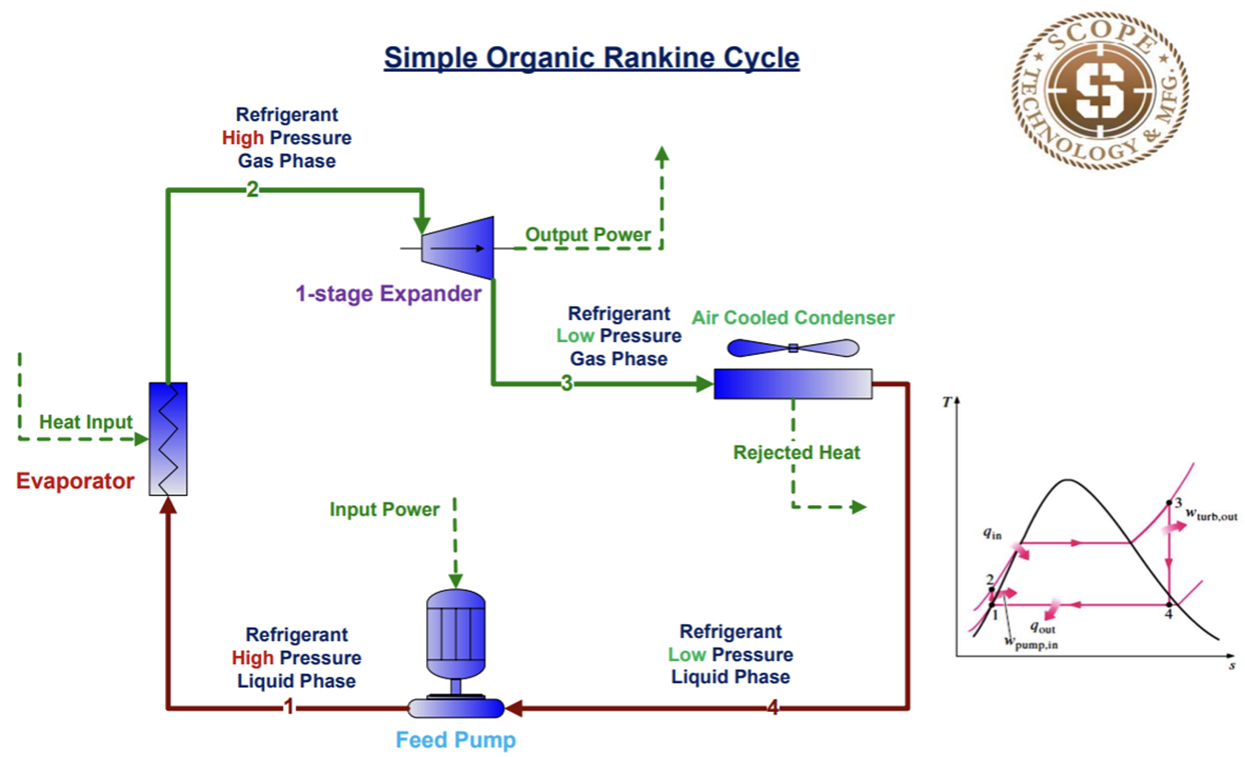
Thermal Management Strategies for O.R.C. Cooling: Optimizing Efficiency in Varied Ambient Temperatures
In the realm of Organic Rankine Cycle (O.R.C.) systems, the efficiency and performance of the cycle are intricately linked to the ambient temperature in which the system operates. As we delve into the realm of thermal management strategies for O.R.C. cooling, we are met with a crucial juncture where the impact of ambient temperature on the cooling cycle and overall efficiency of an O.R.C. unit comes to the forefront. This exploration is not just a theoretical exercise but a practical necessity for professionals like you, deeply involved in the manufacturing and prototyping of O.R.C. units for diverse applications ranging from waste heat recovery to geothermal energy, microgrid implementations, combined heat and power (CHP) setups, and oil and gas operations.
Understanding the Influence of Ambient Temperature on O.R.C. Cooling Efficiency
Impact of Ambient Temperature Differentials on O.R.C. Efficiency
The efficiency of an O.R.C. cycle is significantly influenced by the ambient temperature differentials it encounters. Higher temperature differentials can enhance the cycle’s efficiency by allowing for increased heat transfer rates and improved power generation. However, high temperatures can also lead to operational challenges such as increased thermal stresses on system components and potential performance degradation over time. On the other hand, lower temperature differentials may reduce the efficiency of the cycle, affecting power output and overall system performance.
Effects on Output: Minimizing Negative Impacts and Amplifying Positive Impacts
Minimizing Negative Impacts
- Heat Exchanger Design: Optimal heat exchanger design is crucial to minimize the negative impacts of ambient temperature variations. Efficient heat exchangers can help maintain thermal stability within the system, ensuring consistent performance regardless of external temperature fluctuations.
- Cooling System Optimization: Implementing advanced cooling systems can mitigate the adverse effects of high ambient temperatures on O.R.C. units. By regulating the temperature within the system, cooling systems can safeguard components from overheating and prevent performance degradation.
- Insulation and Enclosure Strategies: Utilizing effective insulation and enclosure strategies can protect the O.R.C. unit from external temperature influences, maintaining a stable operating environment and preventing energy losses due to ambient heat exchange.
Amplifying Positive Impacts
- Thermal Energy Storage: Integrating thermal energy storage systems can capitalize on favorable ambient temperatures by storing excess heat for later use. This approach can enhance the overall efficiency of the O.R.C. cycle by optimizing heat utilization and power generation during peak operating conditions.
- Adaptive Control Systems: Implementing adaptive control systems that can dynamically adjust operating parameters based on ambient temperature fluctuations can maximize the positive impacts of temperature differentials. By optimizing system settings in real-time, adaptive controls ensure efficient performance under varying environmental conditions.
Bridging to Future Topics: Heat Source Selection in O.R.C. Systems
As we navigate the intricate landscape of thermal management strategies for O.R.C. cooling, it becomes evident that the choice of heat source plays a pivotal role in determining the overall efficiency and performance of the system. In the upcoming exploration on “Heat Source Selection in O.R.C. Systems,” we will delve into the diverse range of heat sources available for O.R.C. units, ranging from waste heat streams to geothermal reservoirs, and analyze how these sources impact system efficiency and sustainability.
Conclusion
In conclusion, the optimization of thermal management strategies for O.R.C. cooling is a multifaceted endeavor that demands a nuanced understanding of ambient temperature dynamics and their influence on system efficiency. By strategically minimizing negative impacts and amplifying positive effects through innovative design approaches and control systems, engineers and technical professionals can elevate the performance of O.R.C. units across a spectrum of operational environments. This journey into the realm of thermal management not only enhances our comprehension of O.R.C. systems but also sets the stage for further exploration into critical topics shaping the future of sustainable power generation and energy utilization.
Impact of Ambient Temperature on Heat Source Selection in Organic Rankine Cycle (O.R.C.) Systems
In the realm of power generation through waste heat recovery, geothermal, microgrids, combined heat and power (CHP), and oil and gas applications, the selection of a suitable heat source is paramount to the efficiency and overall performance of an Organic Rankine Cycle (O.R.C.) system. As we delve into the intricate world of O.R.C. systems, it becomes evident that the ambient temperature plays a pivotal role in determining the cooling cycle and efficiency of these units. Understanding how ambient temperature influences heat source selection, output impacts, and strategies to mitigate negative effects while enhancing positive outcomes is crucial for engineers, technical professionals, and procurement audiences involved in manufacturing and prototyping O.R.C. units.
The Interplay Between Ambient Temperature and O.R.C. Systems
Impact of Ambient Temperature on Cooling Cycle Efficiency
The efficiency of an O.R.C. system is intricately linked to the ambient temperature in which it operates. Higher ambient temperatures tend to reduce the temperature differential between the heat source and the cooling medium, thereby affecting the cycle efficiency. This reduction in temperature differential can lead to decreased power output and efficiency of the O.R.C. system. Conversely, lower ambient temperatures can enhance the temperature differential, potentially boosting the system’s efficiency.
Various Impacts on Output
- Power Output: High ambient temperatures can negatively impact the power output of an O.R.C. system by reducing the temperature gradient available for power generation. This can result in lower electricity generation capacity and efficiency.
- System Performance: Ambient temperature variations can influence the overall performance of the O.R.C. system, affecting parameters such as the heat transfer rate, fluid properties, and compressor efficiency. These changes can directly impact the system’s reliability and operational stability.
- Component Lifespan: Extreme ambient temperatures can accelerate the degradation of system components, leading to a shorter lifespan and increased maintenance requirements. Proper heat source selection is crucial to mitigate these effects and ensure the longevity of the O.R.C. unit.
Minimizing Negative Impacts and Amplifying Positive Impacts
- Heat Source Selection: Choosing the right heat source is critical in mitigating the negative impacts of ambient temperature on O.R.C. systems. Opting for a heat source with a consistent temperature profile, such as geothermal sources or waste heat from industrial processes, can help stabilize the system performance across varying ambient conditions.
- Thermal Management Strategies: Implementing robust thermal management strategies, such as heat exchangers, thermal storage systems, and insulation techniques, can minimize the influence of ambient temperature fluctuations on the O.R.C. cycle. These strategies help maintain optimal operating conditions and enhance the system’s overall efficiency.
- Advanced Control Systems: Incorporating advanced control systems that dynamically adjust the operating parameters based on ambient temperature variations can optimize the O.R.C. system’s performance. Adaptive controls can ensure efficient operation under varying environmental conditions, maximizing output and efficiency.
Bridging to Future Topics
Understanding the nuances of heat source selection in O.R.C. systems lays the foundation for exploring advanced topics in thermal management strategies for cooling and enhancing O.R.C. performance in diverse environmental conditions. By comprehensively addressing the impact of ambient temperature on O.R.C. efficiency, we pave the way for a deeper dive into optimizing system performance and energy generation across different applications.
In our upcoming discussions, we will delve into thermal management strategies tailored to O.R.C. cooling, focusing on innovative approaches to enhance system efficiency and reliability. By connecting these topics seamlessly, we aim to equip engineers and technical professionals with the knowledge and insights necessary to excel in the realm of O.R.C. system design and implementation.
Through a holistic exploration of heat source selection, system performance impacts, and mitigation strategies, we empower stakeholders in the O.R.C. industry to make informed decisions that optimize energy generation, reduce operational costs, and contribute to sustainable power solutions.
In conclusion, the intricate interplay between ambient temperature and heat source selection in O.R.C. systems underscores the critical importance of understanding these dynamics for achieving optimal performance and efficiency. By delving into the depths of this subject, we pave the way for a more profound exploration of O.R.C. technology and its applications across diverse energy sectors.
As we continue our journey through the realm of O.R.C. systems, let us unravel the complexities, embrace the challenges, and harness the opportunities that lie ahead, driving innovation and sustainability in power generation.