Universal Efficiency Improvement Modules for O.R.C. Systems (2026)
Organic Rankine Cycle (O.R.C.) systems are gaining traction for converting low-grade heat into electricity. As of January 30, 2026, several commercially available universal efficiency improvement modules have emerged, designed to enhance operating efficiencies across a wide range of O.R.C. units.
What are O.R.C. Systems?
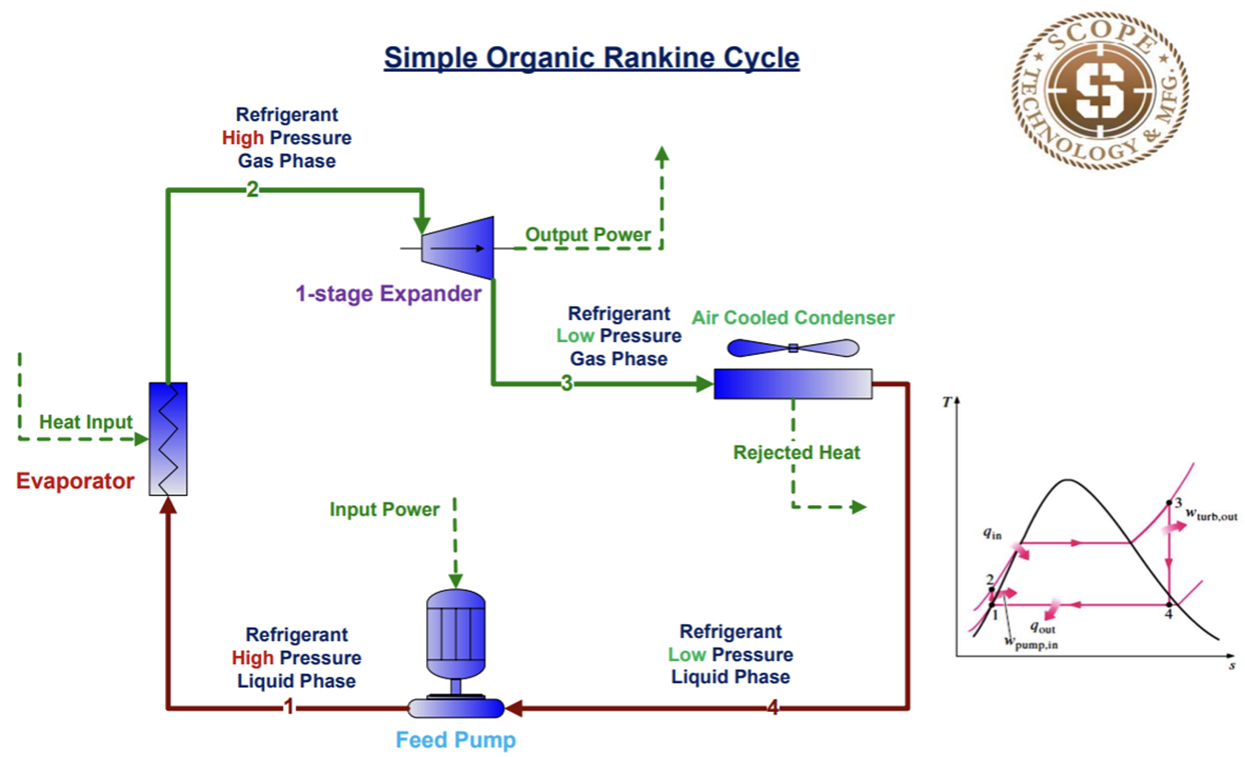
O.R.C. systems use organic fluids to convert thermal energy into mechanical energy and then into electricity. They are particularly beneficial for industries that produce waste heat, such as:
- Geothermal energy
- Waste heat recovery
- Biomass processing
Benefits of Universal Efficiency Improvement Modules
These modules focus on enhancing the overall performance of O.R.C. systems. Here’s how they work:
Improved Heat Exchanger Performance
- Increased Heat Transfer: Modules utilize advanced materials that boost heat transfer rates. This enhances energy capture from available heat sources.
- Reduced Pressure Drops: Lower resistance leads to more efficient flow and minimized energy loss.
Enhanced Working Fluids
- Optimal Fluid Selection: The modules often come with proprietary fluids that have better thermodynamic properties.
- Lower Viscosity: This allows faster circulation, improving the overall efficiency of the O.R.C.
Advanced Control Systems
- Real-time Monitoring: Smart algorithms optimize operation based on real-time data, maximizing efficiency.
- Predictive Maintenance: By analyzing performance data, these modules help in anticipating issues before they escalate.
Key Features of the Modules
- Universal Compatibility: Designed to work seamlessly with various O.R.C. systems from different manufacturers.
- Ease of Installation: Most modules can be easily retrofitted into existing systems, minimizing downtime.
- Customization Options: Users can tailor certain features according to their specific operational needs.
Statistics on Efficiency Improvements
Recent studies indicate that incorporating efficiency improvement modules can lead to up to 20% enhancements in overall system efficiency. This can result in significant cost savings and reduced environmental impact.
Conclusion
The introduction of universal efficiency improvement modules into the O.R.C. market represents a significant leap towards enhanced performance. By optimizing heat transfer, fluid dynamics, and system control, these innovations are set to revolutionize the efficiency of energy recovery systems, ultimately aiding in global sustainability efforts.
For up-to-date information on the latest O.R.C. technologies, consider checking resources like U.S. Department of Energy or industry publications.
Impact of Ambient Temperature on Heat Source Selection in Organic Rankine Cycle (O.R.C.) Systems
In the realm of power generation through waste heat recovery, geothermal, microgrids, combined heat and power (CHP), and oil and gas applications, the selection of a suitable heat source is paramount to the efficiency and overall performance of an Organic Rankine Cycle (O.R.C.) system. As we delve into the intricate world of O.R.C. systems, it becomes evident that the ambient temperature plays a pivotal role in determining the cooling cycle and efficiency of these units. Understanding how ambient temperature influences heat source selection, output impacts, and strategies to mitigate negative effects while enhancing positive outcomes is crucial for engineers, technical professionals, and procurement audiences involved in manufacturing and prototyping O.R.C. units.
The Interplay Between Ambient Temperature and O.R.C. Systems
Impact of Ambient Temperature on Cooling Cycle Efficiency
The efficiency of an O.R.C. system is intricately linked to the ambient temperature in which it operates. Higher ambient temperatures tend to reduce the temperature differential between the heat source and the cooling medium, thereby affecting the cycle efficiency. This reduction in temperature differential can lead to decreased power output and efficiency of the O.R.C. system. Conversely, lower ambient temperatures can enhance the temperature differential, potentially boosting the system’s efficiency.
Various Impacts on Output
- Power Output: High ambient temperatures can negatively impact the power output of an O.R.C. system by reducing the temperature gradient available for power generation. This can result in lower electricity generation capacity and efficiency.
- System Performance: Ambient temperature variations can influence the overall performance of the O.R.C. system, affecting parameters such as the heat transfer rate, fluid properties, and compressor efficiency. These changes can directly impact the system’s reliability and operational stability.
- Component Lifespan: Extreme ambient temperatures can accelerate the degradation of system components, leading to a shorter lifespan and increased maintenance requirements. Proper heat source selection is crucial to mitigate these effects and ensure the longevity of the O.R.C. unit.
Minimizing Negative Impacts and Amplifying Positive Impacts
- Heat Source Selection: Choosing the right heat source is critical in mitigating the negative impacts of ambient temperature on O.R.C. systems. Opting for a heat source with a consistent temperature profile, such as geothermal sources or waste heat from industrial processes, can help stabilize the system performance across varying ambient conditions.
- Thermal Management Strategies: Implementing robust thermal management strategies, such as heat exchangers, thermal storage systems, and insulation techniques, can minimize the influence of ambient temperature fluctuations on the O.R.C. cycle. These strategies help maintain optimal operating conditions and enhance the system’s overall efficiency.
- Advanced Control Systems: Incorporating advanced control systems that dynamically adjust the operating parameters based on ambient temperature variations can optimize the O.R.C. system’s performance. Adaptive controls can ensure efficient operation under varying environmental conditions, maximizing output and efficiency.
Bridging to Future Topics
Understanding the nuances of heat source selection in O.R.C. systems lays the foundation for exploring advanced topics in thermal management strategies for cooling and enhancing O.R.C. performance in diverse environmental conditions. By comprehensively addressing the impact of ambient temperature on O.R.C. efficiency, we pave the way for a deeper dive into optimizing system performance and energy generation across different applications.
In our upcoming discussions, we will delve into thermal management strategies tailored to O.R.C. cooling, focusing on innovative approaches to enhance system efficiency and reliability. By connecting these topics seamlessly, we aim to equip engineers and technical professionals with the knowledge and insights necessary to excel in the realm of O.R.C. system design and implementation.
Through a holistic exploration of heat source selection, system performance impacts, and mitigation strategies, we empower stakeholders in the O.R.C. industry to make informed decisions that optimize energy generation, reduce operational costs, and contribute to sustainable power solutions.
In conclusion, the intricate interplay between ambient temperature and heat source selection in O.R.C. systems underscores the critical importance of understanding these dynamics for achieving optimal performance and efficiency. By delving into the depths of this subject, we pave the way for a more profound exploration of O.R.C. technology and its applications across diverse energy sectors.
As we continue our journey through the realm of O.R.C. systems, let us unravel the complexities, embrace the challenges, and harness the opportunities that lie ahead, driving innovation and sustainability in power generation.
Scope T&M WHRU’s support Alaska Operations with ICE Thermal Harvesting and UniSea. Launch Alaska Seafood Industry’s First Waste Heat to Power System
News provided by
ICE Thermal Harvesting
Sep 04, 2025, 13:01 ET
Modular energy technology brings clean power to Dutch Harbor – offering a scalable model for rural Alaska.
DUTCH HARBOR, Alaska, Sept. 4, 2025 /PRNewswire/ — ICE Thermal Harvesting, LLC (“ICE”) and UniSea, Inc. (“UniSea”) have successfully completed the first deployment of a Waste Heat to Power (WHP) system in Alaska’s seafood industry. Installed at UniSea’s Dutch Harbor processing facility, the system captures waste heat from existing generators and converts it into clean, emissions-free electricity—marking a milestone for sustainable energy use in Alaska’s seafood sector.
Engineered to operate in the harsh and remote conditions of the Aleutian Islands, the modular WHP system transforms excess thermal energy from UniSea’s powerhouse into usable power. This reduces diesel consumption, cuts operational costs, and lowers greenhouse gas emissions all while reinforcing energy resilience in one of the most challenging working environments in North America.
“This project demonstrates how innovation and practicality can come together to create sustainable solutions even in the most challenging locations,” said Rob Bordenave, Vice President at ICE, “It not only benefits UniSea by lowering fuel costs today, but also positions them for long-term resilience against volatile energy prices.”
The custom-engineered system is designed to withstand the unique environmental challenges of Dutch Harbor, including high winds, seismic events and frigid temperatures. The system was integrated with UniSea’s existing powerhouse, requiring no overhaul to current infrastructure and ensuring minimal disruption during installation and operation.
During the initial three-week start-up phase of the project the ICE system generated 67MWh of electricity, representing 5000 gallons of diesel saved. As commissioning is completed and the project enters long-term operations, the system will generate 300kW and replace ~3500 gallons of diesel usage each week during the processing seasons.
Dustin Hamilton, UniSea’s Chief Operating Officer, said “ICE Thermal’s team members are true professionals in the waste-heat capture space. UniSea is proud to partner with them. Deploying the WHP system furthers UniSea’s sustainability efforts by reducing our use of fossil fuels and is a significant step in achieving our decarbonization initiatives. This is a great moment for UniSea.”
The system’s modular design makes it scalable and adaptable to facilities throughout Alaska, particularly in rural and off-grid communities where diesel remains the primary energy source. The success of this project illustrates a clear, economically viable pathway toward decarbonization and energy independence for industrial operators, utilities, and remote communities alike.
About Ice Thermal Harvesting
ICE generates on-site power for clients by utilizing industrial waste heat as fuel. ICE offers zero-money down, turn-key solutions that result in energy cost savings, reduced emissions, lower demand charges, and higher operational efficiencies.
About UniSea
UniSea is a leading seafood processing company headquartered in Dutch Harbor, Alaska. With over 50 years of operation, UniSea produces high-quality Alaska seafood products while championing sustainability, innovation, and operational excellence.
Media Contacts:
ICE Thermal Harvesting
info@ice-th.com
UniSea, Inc.
Emily Gibson
Corporate Director of Sustainability & Strategic Initiatives
Emily.Gibson@unisea.com
SOURCE ICE Thermal Harvesting
https://www.prnewswire.com/news-releases/ice-thermal-harvesting-and-unisea-launch-alaska-seafood-industrys-first-waste-heat-to-power-system-302546873.html
Enhancing O.R.C. Performance in Varying Environmental Conditions: A Comprehensive Analysis
In the realm of power generation and waste heat recovery, the efficiency of an Organic Rankine Cycle (O.R.C.) system is profoundly influenced by the ambient temperature conditions in which it operates. Understanding how ambient temperatures impact the cooling cycle and overall efficiency of an O.R.C. unit is paramount for engineers, technical professionals, and procurement audiences involved in the manufacturing and prototyping of O.R.C. units for diverse applications like waste heat recovery, geothermal energy, microgrids, combined heat and power (CHP) systems, as well as oil and gas processes.
The Crucial Role of Ambient Temperature in O.R.C. Performance
Impact on Cooling Cycle Efficiency
The efficiency of an O.R.C. system is intricately linked to the ambient temperature surrounding the system. Higher ambient temperatures can lead to reduced efficiency due to the decreased temperature differential between the heat source and the environment, thereby limiting the potential for generating power effectively. On the other hand, lower ambient temperatures can enhance efficiency by providing a more substantial temperature gradient for the O.R.C. cycle to leverage.
Influence on Output and Performance
Ambient temperature variations directly impact the output and performance of an O.R.C. unit. High ambient temperatures can lower the power output and efficiency of the system, potentially leading to operational challenges and decreased overall performance. In contrast, cooler ambient temperatures can optimize the O.R.C. performance, resulting in higher power generation and improved efficiency.
Strategies to Mitigate Negative Impacts and Enhance Positive Effects
Minimizing Negative Impacts
- Enhanced Insulation: Implementing superior insulation materials and techniques can help minimize the impact of high ambient temperatures on the O.R.C. system. By reducing heat exchange with the surroundings, the system can maintain higher efficiency levels.
- Optimized Heat Exchangers: Designing and optimizing heat exchangers to withstand varying ambient temperatures is crucial. Proper heat exchanger selection and sizing can mitigate the negative effects of temperature differentials on the system’s performance.
- Thermal Storage Solutions: Introducing thermal storage systems can buffer the impact of ambient temperature fluctuations on the O.R.C. unit. By storing excess heat during peak operating conditions, the system can ensure consistent performance even in challenging environments.
Amplifying Positive Impacts
- Utilizing Geothermal Resources: Leveraging geothermal energy sources can provide a consistent and sustainable heat input for the O.R.C. system. Geothermal energy offers stable temperatures regardless of external environmental conditions, enhancing system efficiency.
- Adaptive Control Systems: Implementing smart and adaptive control systems can optimize the O.R.C. unit’s operation based on real-time ambient temperature data. This dynamic control mechanism can adjust system parameters to maximize performance under varying conditions.
- Hybridization with Solar Power: Integrating solar power generation alongside the O.R.C. system can diversify the heat sources and improve overall efficiency. Solar energy can supplement the O.R.C. cycle during periods of low ambient temperatures, ensuring continuous power generation.
Bridging to Future Topics and Further Exploration
Understanding the intricate relationship between ambient temperatures and O.R.C. performance sets the stage for exploring the impact of temperature differentials on efficiency and the selection of appropriate heat sources for O.R.C. systems. Future articles in this series will delve into the nuances of heat source selection, thermal management strategies for cooling in O.R.C. units, and the broader implications of temperature differentials on system efficiency.
By delving into these interconnected topics, engineers, technical professionals, and procurement audiences can gain a holistic understanding of optimizing O.R.C. performance in varying environmental conditions, driving innovation and efficiency in the realm of power generation and waste heat recovery.
In conclusion, enhancing the performance of O.R.C. systems in diverse environmental conditions requires a nuanced approach that combines innovative strategies, adaptive technologies, and a deep understanding of the system dynamics. By proactively addressing the impact of ambient temperatures and implementing tailored solutions, O.R.C. units can achieve peak efficiency and productivity across a range of applications, from waste heat recovery to geothermal energy generation.